

Supporting a Traumatized Loved One

We naturally want to help loved ones that have experienced trauma but may feel helpless to know how. Here are a few of my suggestions:
Respect their journey
If you haven’t read my last several emails explaining trauma and the pathway of healing, I encourage you to do so. Each person’s experience of trauma is unique and their journey will also be unique… questions like “How come its taking so long?” land as hurtful blaming that will complicate (and likely lengthen) their healing.
Be curious.
Ask them what works to soothe their nervous system. What’s working for them in their journey may not always be obvious to them. Being in fight-flight (or any of the other ‘F’s of trauma) can make it so difficult to have awareness of what helps.
“One of the most underrated love languages is curiosity. If you spent much of your life feeling unseen or unheard, having someone who’s genuinely curious about your feelings, your heart & your inner world just hits different.” – Hailey Page Magee
Be a Safe Person
Accept your loved one just as they are. Know that big feelings and body reactions will often arise, sometimes unpredictably for them.
Have appropriate boundaries. But do not expect more of them than they are capable of. If you have needs they have been unable to meet, please understand it is not intentional neglect of you. Their nervous systems are just so absorbed in keeping themselves safe, they often have little energy to care for the needs of others. When you accept them as they are, your loved one will feel safer… paradoxically, this will then make it more possible for them to look outside of themselves to others’ needs. Smiles.
Be Courageously Authentic
You being authentic means you are safer.
Traumatized persons experienced unpredictable people or environments as part of the trauma. You don’t want to add to the trauma.
Take Care of your Own Wellbeing
This is healthy boundaries for anyone. Don’t expect your partner or friend to set aside or betray their own needs for yours. Traumatized persons often don’t know how to do this well either, so when you model it, you encourage them also to know and care for their own needs.
Collaborate with Them
While encouraging your loved one’s self care, you don’t need to be responsible for their needs. Be positive (not critical) when they have big reactions and lapse in consistent self care. You can offer to help them remember things, just don’t be responsible for them doing it. Find ways to empower them!
When you notice patterns of their body reactions or big feelings, you can offer gentle observations to them. Wonder if they have noticed that also. This can be helpful for them to bring to therapy to discuss with their counsellor.
I see you with gratitude. Your heart open & holding space for your loved ones.
Thank you.
Your care helps them heal.
Warmly,
Tanya Bedford, RCC, ACS
P.S. When your traumatized loved one is a Child… that often brings bigger feelings of helplessness for you and can be harder to figure out.
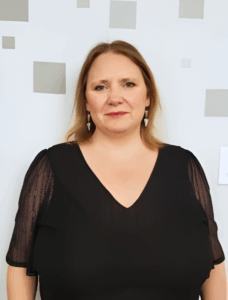
Tanya Bedford
Registered Clinical Counsellor
Approved Clinical Supervisor
MA
Living with chronic pain, hurts and trauma? My focus is to offer hope, through meaningful & transformative counselling… for you that are struggling with chronic pain trauma, dissociation, anxiety & attachment hurts. My approach is integrative of your whole self, offering EMDR, OEI, CBT, ACT, Satir systems, Safe & Sound Protocol listening, somatic therapies, and including spirituality & existentialism. You may most benefit from profoundly transformative VIP Intensives where we meet for a longer session to power through a significant block, or integrative co-therapy sessions with Myron’s osteopathy treatment. In other words, I have flexible integrative strategies to offer for your complex needs.
Counsellor looking for Clinical Supervision? I am an Approved Clinical Supervisor w/ BCACC. I offer group, dyad or individual consultation or person-of-the-therapist process, including practicums for student therapists. I have 20 years of experience & training in Trauma & Dissociation techniques & theories, and now pursuing Certification from the Center for Advanced Studies of Trauma & Dissociation. I am also a Master Trainer in OEI, offering training or supervision in those techniques. Book a FREE 15 minute telephone consultation to see if we’re a good fit together!